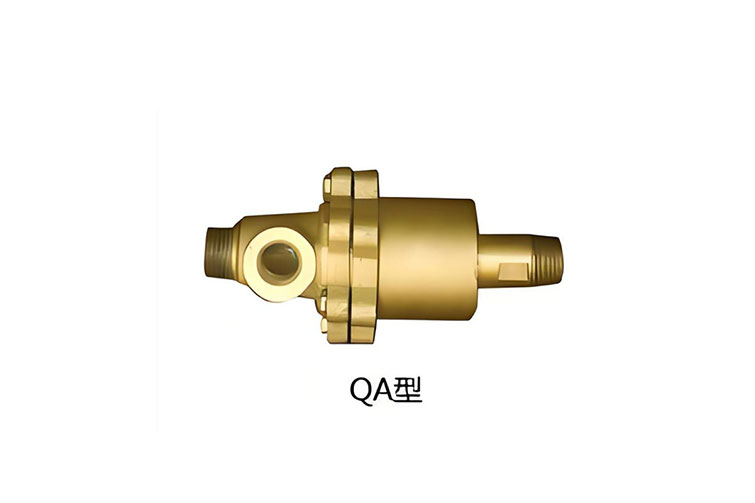





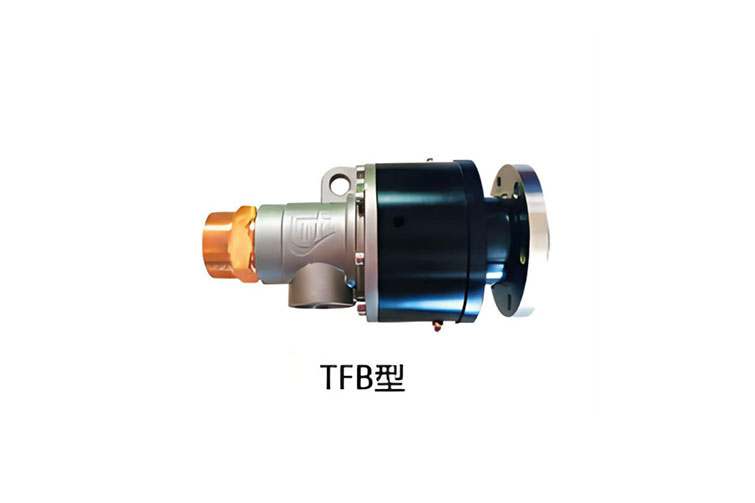
Working Principle of the TFB Type Rotary Joint
The TFB type rotary joint is a mechanical device designed to transfer fluid media such as steam, water, thermal oil, or compressed air between stationary pipelines and rotating equipment. It is widely used in industries such as paper manufacturing, textile processing, rubber and plastic production, printing machinery, and drying systems. The main purpose of a TFB rotary joint is to maintain a reliable, leak-free connection while allowing continuous rotation of machinery. Its working principle is based on the coordination of mechanical seals, bearings, internal flow channels, and structural components that ensure smooth operation under various industrial conditions.
The fundamental working principle of a TFB rotary joint lies in its ability to connect a stationary fluid supply with a rotating shaft. The joint consists of two primary parts: a stationary housing and a rotating shaft assembly. The stationary housing is connected to the pipeline that supplies the working medium, while the rotating shaft is attached to the rotating equipment such as a roller, drum, or cylinder. During operation, the rotating part spins with the equipment while the housing remains fixed. The internal sealing mechanism ensures that the fluid passes through the rotary joint into the rotating component without leakage.
One of the most important components of the TFB rotary joint is the mechanical sealing system. The seal typically consists of a rotating sealing ring and a stationary sealing ring. These two surfaces are precisely machined to ensure a very smooth contact surface. A spring or pressure mechanism keeps the sealing surfaces pressed tightly together, creating a dynamic seal that prevents fluid leakage. As the shaft rotates, the sealing surfaces slide against each other while maintaining constant contact. A thin lubricating film formed by the working fluid helps reduce friction and wear between the surfaces, ensuring efficient and long-term operation.
Another critical component of the TFB rotary joint is the bearing system. Bearings are used to support the rotating shaft and maintain accurate alignment between the rotating and stationary parts. High-quality bearings reduce vibration, friction, and mechanical stress during operation. They also ensure that the rotary joint can operate smoothly at high rotational speeds. Proper lubrication and maintenance of the bearings are essential for extending the service life of the rotary joint.
The internal flow passage of the TFB rotary joint is carefully designed to ensure efficient fluid transmission. The fluid enters the rotary joint through the stationary inlet port and flows through internal channels into the rotating equipment. In some systems, especially those using steam as a heating medium, the rotary joint may also include a return channel that allows condensate or used fluid to flow back out of the rotating equipment. This design helps maintain efficient heat transfer and prevents the accumulation of condensate within the system.
Material selection also plays an important role in the performance and durability of the TFB rotary joint. The housing is typically made from strong materials such as stainless steel or cast iron to withstand high pressure and temperature conditions. The sealing components are often made from wear-resistant materials such as carbon graphite, tungsten carbide, or ceramic. These materials provide excellent resistance to friction, corrosion, and thermal stress, ensuring long-term sealing performance even in harsh environments.
In addition, the TFB rotary joint is designed with maintenance and installation convenience in mind. Many models feature modular structures and replaceable sealing components, allowing technicians to perform maintenance quickly without disassembling the entire system. This design reduces downtime and improves operational efficiency in industrial production.
In conclusion, the TFB type rotary joint operates by combining a rotating shaft with a stationary fluid supply while maintaining a reliable seal through mechanical sealing technology. With the support of bearings, precision sealing surfaces, and optimized internal flow channels, the rotary joint ensures smooth fluid transfer between stationary and rotating components. Its durable construction, efficient sealing performance, and adaptability to various industrial environments make the TFB rotary joint an essential component in many modern mechanical systems.
Tags:
Related Posts
Working Principle of Metal Hoses
Apr 09, 2024